


What to Know Before Turning Your Backyard into a Chicken Paradise
So, you’ve caught the chicken bug. Maybe you saw an adorable Silkie on Instagram. Maybe your friend gave you a carton of farm-fresh eggs that changed your life. Maybe you just like the idea of bossing around a group of small, feathered dinosaurs. Whatever the reason—you want chickens.
But wait. Do you live in a neighborhood where chickens are frowned upon, outlawed, or outright banned? Read on before you start building the Taj MaHen in your backyard. Let’s avoid the heartbreak of chicken eviction.
Check Local Laws First—Yes, Even Those Weird Ones
Before you pick out names like Henrietta, Nugget, and Cluckles, look up your city and county ordinances. Some places ban roosters but allow hens. Others limit the number of birds. And some say no chickens. Period. Yes, even if you promise to knit them little sweaters and teach them not to squawk during nap time.
Let’s be real: we’re not lawyers—we’re chicken enthusiasts. If it were up to us, there’d be chickens in every backyard across America, clucking merrily next to barbecue grills and inflatable pools. But sadly, we don’t write the laws—we just dodge them like a hen avoiding bath time.
This article isn’t legal advice, and we’re not trying to interpret the fine print. We’re just giving you a heads-up on things to watch out for before you dive beak-first into backyard poultry paradise.
Want to be 100% sure you’re in the clear? Talk to someone with a law degree instead of a chicken coop.
Pro tip: If the law starts with “Thou shalt not…” take it seriously.
HOA: The Hidden Oppression Authority
Just because your neighbors are okay with it doesn’t mean the Homeowners Association is. HOAs can—and will—ruin your poultry dreams faster than a raccoon in a henhouse. They can fine you, force you to rehome your chickens, and even take legal action. Even if Cheryl, two streets over, has a pool with a 12-foot flamingo, chickens may still be “against community standards.”
Here’s where it gets extra spicy: Suppose your HOA rules don’t say anything about chickens. You double-check, celebrate, and move in your fluffy flock. Then BAM! They vote in a brand-new “No Chickens” clause at the next meeting. Can they do that? Sometimes, yes. HOAs often have the power to change rules—and those changes can be enforced retroactively. It's like building a sandcastle and watching someone rewrite the tide schedule.
Translation: Just because the coast looks clear doesn’t mean a wave isn’t coming.
Always read the fine print. HOA handbooks are like ancient scrolls—dense, mysterious, and occasionally used to crush your dreams. Better yet, ask for clarification in writing, or attend a meeting and bring cookies. Bribes don’t work—but cookies might soften the blow.
Ask Your Neighbors Anyway
Even if it's technically allowed, being a good neighbor goes a long way. Hens cluck, they scratch, and they might even wander. Letting your neighbors know ahead of time could prevent feathers from getting ruffled.
And hey, a steady supply of fresh eggs can smooth over all sorts of problems.
Bonus points if you bribe them with deviled eggs.
The Feathery Alarm Clocks Nobody Wants
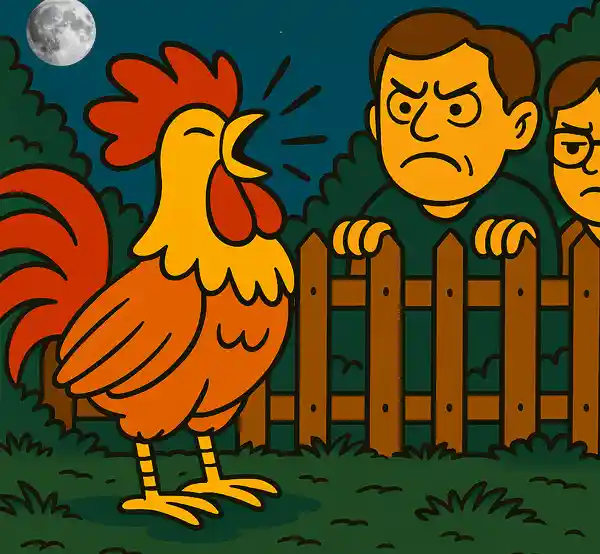
Even in chicken-friendly zones, roosters are often a no-go. They’re loud, proud, and ready to crow at 3:47 a.m. because… who knows why. Unless you’re looking to audition for a rural opera company, stick to hens. They’re quieter, and no one has ever gotten sued over a gentle “bawk.”
Let’s get one thing straight: roosters are not required to have eggs. Your hens will lay just fine without a strutting, crowing drama queen in the yard. But if you do bring home a rooster, congratulations—you’ve now adopted a feathery, egotistical alarm clock that doesn’t believe in time zones.
Roosters crow. A lot. They don’t wait for sunrise like they do in movies. That’s a lie invented by people who don’t actually own roosters. In real life, they crow at 3:00 a.m., 4:12 a.m., 5:06 a.m., and every 15 minutes after that, just to make sure you’re aware of their continued existence.
They're not trying to wake you up—they're trying to assert dominance over passing clouds, moths, and the neighbor’s Prius.
Even in chicken-friendly areas, many cities and HOAs draw the line at roosters because of noise complaints. That sweet baby chick you brought home from the feed store may grow up to be a backyard banshee. Roosters can be loud, territorial, and sometimes aggressive. And while hens say “bawk,” roosters say, “I AM THE SUN NOW.”
Wait, What If I Accidentally Got a Rooster? Ah yes, the ol’ surprise roo. It happens. You buy chicks, name one “Daisy,” and five weeks later Daisy’s strutting around picking fights and warming up his vocal cords like he's opening for Metallica.
Unless you bought sexed chicks (and even that’s not 100%), you might end up with an unexpected tenor in your backyard choir. If that happens and you’re in a rooster-restricted area, you’ll need to rehome him—or become that neighbor. You know, the one the local Facebook group whispers about.
In many places, keeping a rooster is the poultry equivalent of blasting death metal at sunrise.
The Coop Conundrum
If your backyard is allowed to have chickens, you’ll still need to follow rules about coop placement, size, cleanliness, and distance from property lines. No, you can’t build it next to your neighbor’s hot tub. Yes, you will regret it if you try.
Also: chicken math is real. You’ll start with 3. Then you’ll need 5. Then suddenly your garage has a brooder in it and you’re Googling “chicken diapers.”
Tempted to sneak a few hens in under the radar? Think again. Chickens aren’t stealthy. They cluck. They flap. They lay eggs and announce it like they just won the lottery. Someone will notice. It’ll probably be the one neighbor who collects bylaws like baseball cards.
Cleanliness is Next to Chickenliness
Look, chickens are adorable, hilarious, and surprisingly therapeutic—but they are also poop machines with feathers. If you're imagining your backyard turning into a Pinterest-worthy pastoral paradise, slow your roll. Backyard chickens bring joy, yes—but also dust, dander, feathers, and droppings. Lots of droppings. Think "tiny flying manure factories" with a sense of mischief.
Neglecting cleanliness doesn’t just stink (literally)—it can attract rodents, flies, and possibly a raccoon with a bachelor's degree in lock-picking. And trust us, no neighborhood dispute ever started with “They’re such clean chicken owners.”
Keep it Fresh, Keep it Fly-Free
Your coop should be cleaned regularly. No, not “someday” or “when you get around to it.” We’re talking at least once a week for spot cleaning, and deeper cleans monthly—or more often if your flock is particularly... productive. Litter and bedding should be dry and odor-free, which means changing it out before it smells like a barnyard frat party.
Use sand, straw, pine shavings, or other absorbent bedding, and skip the urge to use carpet—yes, someone out there has tried it. Don’t be that person.
Pro Tip: Smell is Not Just a Personal Problem
Even if you don’t mind a little eau de coop, your neighbors might, especially if the breeze hits just right during their backyard BBQ. A stinky coop is the fastest way to lose the goodwill of your neighborhood—and to invite a surprise visit from code enforcement.
Remember: Clean coop = happy hens, happy neighbors, and way fewer awkward conversations at the mailbox.
Also, a clean coop means healthier chickens. Parasites, respiratory issues, and infections love filthy environments. And sick chickens are no joke—unless you like paying vet bills for birds that think gravel is a snack.
Coop Design Mistakes to Avoid
Just because you can build a coop doesn’t mean you should build it from scrap wood, duct tape, and a dream. A badly designed coop doesn’t just look terrible—it smells worse, annoys the neighbors, and could give your HOA a reason to suddenly care about poultry.
Mistake #1: Building a Shanty Town Special: That old playhouse, a few pallets, and a tarp may seem like a charmingly rustic chicken mansion to you, but your neighbors may see a post-apocalyptic bird bunker. If your coop looks like it could collapse in a light sneeze, you’re asking for trouble—and possibly a cease and desist letter taped to your fence.
Mistake #2: Putting the Coop Right Up Against the Fence: You might think, “This’ll keep the chickens shaded and out of the way.” Meanwhile, your neighbor is Googling “city chicken noise ordinance.” Always leave space between your coop and the property line. It helps reduce smell, noise complaints, and passive-aggressive holiday cards.
Mistake #3: No Ventilation: Chickens need fresh air—but not drafts. Poor ventilation leads to moisture buildup, which leads to ammonia, which leads to... nose hair loss and very grumpy hens. If your coop smells like a portable toilet at a summer festival, you’ve got a ventilation problem.
Mistake #4: No Predator Proofing: If raccoons, foxes, or neighborhood cats can waltz into your coop like it’s an open buffet, you’ve got more than zoning violations to worry about. Use hardware cloth, not chicken wire (despite the name, it’s basically tissue paper to raccoons). Latch doors securely—remember, raccoons are nature’s locksmiths.
Good coop design can mean the difference between “Look how cute!” and “What in fresh backyard madness is THAT?”
Keep it clean, functional, and neighbor-friendly. If it’s ugly, loud, or smelly, you’re not just hurting your chickens—you’re handing the opposition a big, squawking excuse to shut you down.
Chicken Love Requires Due Diligence
Chickens are amazing. They’re funny, feathery, and oddly therapeutic. But they come with responsibilities—and sometimes legal red tape. So before you go full backyard barnyard, do your homework.
Because, as sad as it is to rehome your flock… it’s even sadder when your neighbor calls animal control right after eating one of your eggs.
