


Marans – The Feathered Fashionista of France
Some chickens are practical. Some are pretty. The Marans? She’s both—and she brings accessories.
Originating in the historic port town of Marans, France, this breed first strutted onto the scene in the 1800s, quickly becoming famous for one very stylish trait: eggs so dark brown they look like they’ve been dipped in chocolate. Seriously, if egg color were a fashion statement, the Marans would be haute couture.
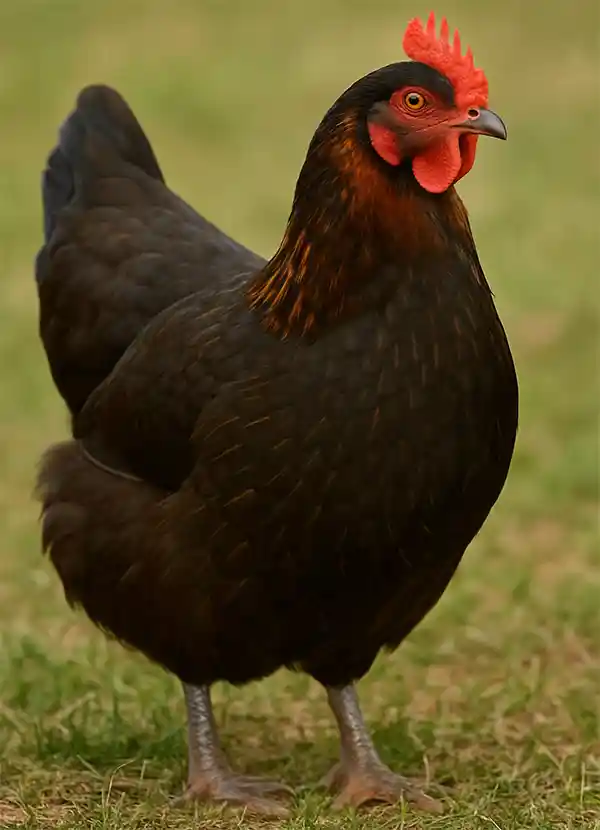
While there are several varieties, the most admired (and most frequently Instagrammed) is the Black Copper Marans, with glossy black plumage and rich copper hackles that shimmer like a fresh cup of espresso in the morning sun. They’re so pretty, you almost expect them to come with their own spotlight.
Despite their show-stopping looks, Marans are more than just beauty queens. These birds are active but polite, friendly without being clingy, and perfectly happy in both backyard flocks and free-range fields. They’re not known for being particularly broody, which means they’re more focused on laying eggs than guarding them like dragon treasure.
They tolerate colder climates well, but as with any diva, a dry and clean space is appreciated (no mud on the feathers, please). And while they may not rival some breeds in sheer quantity of eggs, they win the quality contest every time.
Marans at a Glance
- Size: Medium to large (Hens: 6.5–7.5 lbs, Roosters: 7.5–8.5 lbs)
- Egg Production: 150–200 eggs per year
- Egg Color: Deep chocolate brown
- Temperament: Calm, reserved, elegant
- Cold Hardy: Yes
- Heat Tolerant: Fair, with shade and ventilation
- Good for Beginners: Yes — especially those who love showy eggs
- Feather Color: Varies — Black Copper is the star
- Broody Tendency: Low
- Life Expectancy: 7–9 years
- Bonus Feature: Those eggs could win a beauty pageant
Looking to add a little elegance to your egg basket? The Marans might just be your flock’s next top model.
